The Best Dinner Rolls
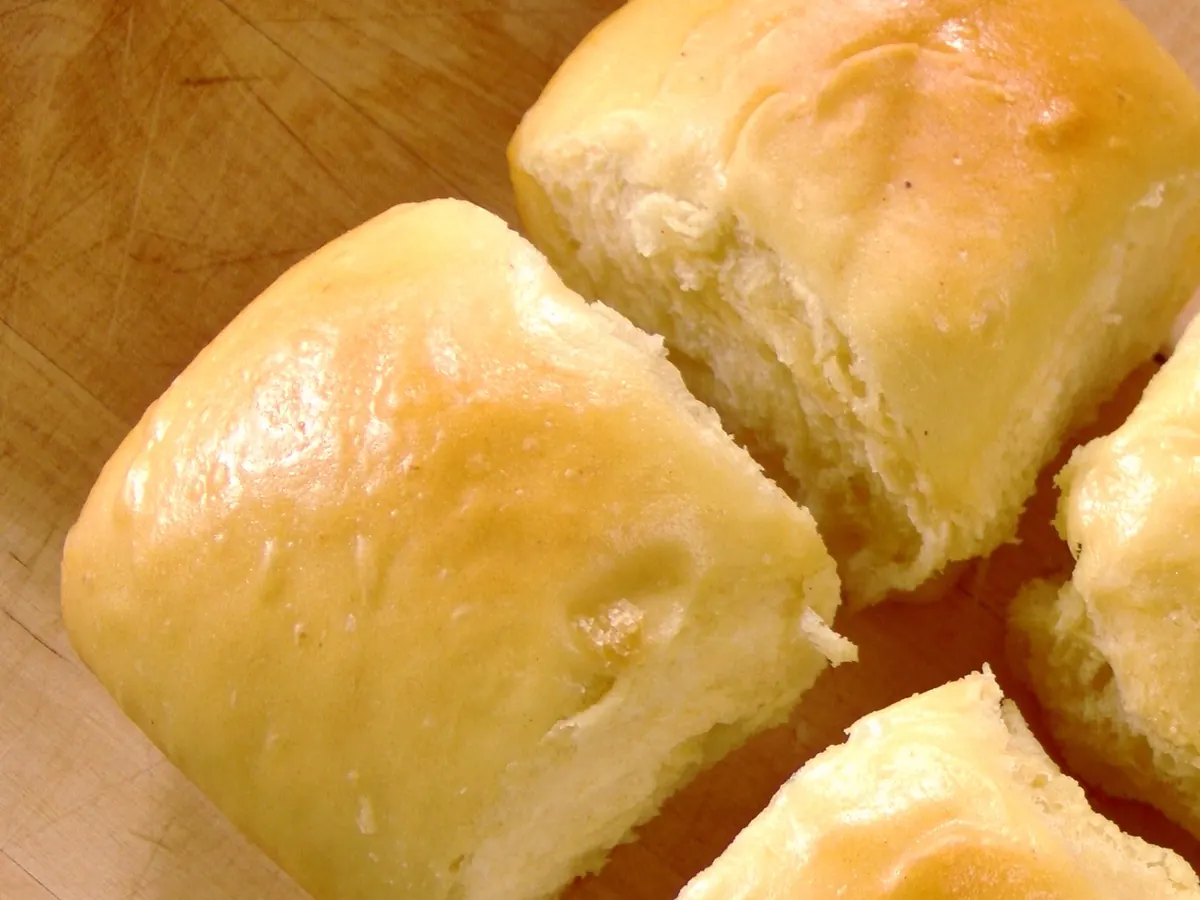
Soft, fluffy, buttery pull-apart rolls with shiny golden tops. A simple enriched dough that you can shape the day before and bake fresh for the table.
- Prep
- 25 min
- Cook
- 22 min
- Rise
- 2 hr
- Total
- 2 hr 47 min
- Makes
- 15 rolls
Ingredients
Missing something? Substitutes for yeast, eggs, butter, milk, all-purpose flour.
Method
Ingredient amounts are scaled. Amounts, pan sizes and times written in the steps are for the original recipe.
Make the dough
In the bowl of a stand mixer, stir together the warm milk (about 110°F (43°C)), yeast and sugar. Add the egg, softened butter, salt and flour. Mix with the dough hook on low speed until combined, then knead on medium-low for 6 to 8 minutes, until the dough is smooth and elastic. It should feel soft and slightly tacky. By hand, knead for 10 minutes on a lightly floured surface.
First rise
Shape the dough into a ball, place it in a greased bowl, cover and let it rise in a warm spot until doubled, 1 to 1½ hours.
Shape
Punch the dough down and divide it into 15 equal pieces, about 55 g each. Shape each piece into a smooth ball by pulling the edges underneath and rolling it under a cupped hand. Arrange the balls in a greased 9×13-inch (23×33 cm) baking pan in 3 rows of 5.
Second rise
Cover and let the rolls rise until puffy and touching each other, 30 to 45 minutes. Meanwhile, heat the oven to 350°F (175°C).
Bake
Bake for 20 to 25 minutes, turning the pan halfway through, until the tops are golden brown. The center roll should read 190°F (88°C).
Finish
Brush the rolls with the melted butter the moment they come out of the oven and sprinkle with flaky salt. Serve warm.
Why this is the one
Milk, butter and an egg
An enriched dough bakes into a roll that is soft, rich and tender, where a plain flour-and-water dough would be chewy and crusty.
A soft, slightly sticky dough
The less flour you add, the fluffier the roll. Kneading until the dough is smooth and stretchy does the job that extra flour only seems to do.
Baked shoulder to shoulder
Packed into one pan, the rolls rise against each other and bake up tall with soft, pull-apart sides. Butter brushed on straight from the oven keeps the tops soft.
Tips
- Weigh the pieces of dough. Rolls of the same size bake at the same rate and look far better in the pan.
- A switched-off oven with only the light on makes an ideal warm spot for rising.
- For honey butter rolls, stir a tablespoon of honey into the melted butter before brushing.
Make ahead and storage
Keep airtight at room temperature for 3 days and rewarm, wrapped in foil, at 300°F (150°C) for 10 minutes. Baked rolls freeze for 3 months.
Questions
Can I make dinner rolls ahead of time?
Yes. Shape the rolls, arrange them in the pan, cover tightly and refrigerate for up to 16 hours. Let them stand at room temperature for about an hour, until puffy, then bake. Shaped rolls can also be frozen for 3 months; thaw and let them rise for 4 to 5 hours before baking.
Why are my dinner rolls dense?
Too much flour, yeast that was old or killed by hot milk, or not enough rising time. The dough should double in the first rise and look clearly puffy before it goes into the oven.
Can I use active dry yeast?
Yes, in the same amount. Let it stand in the warm milk and sugar for 5 to 10 minutes, until foamy, and expect both rises to take a little longer.